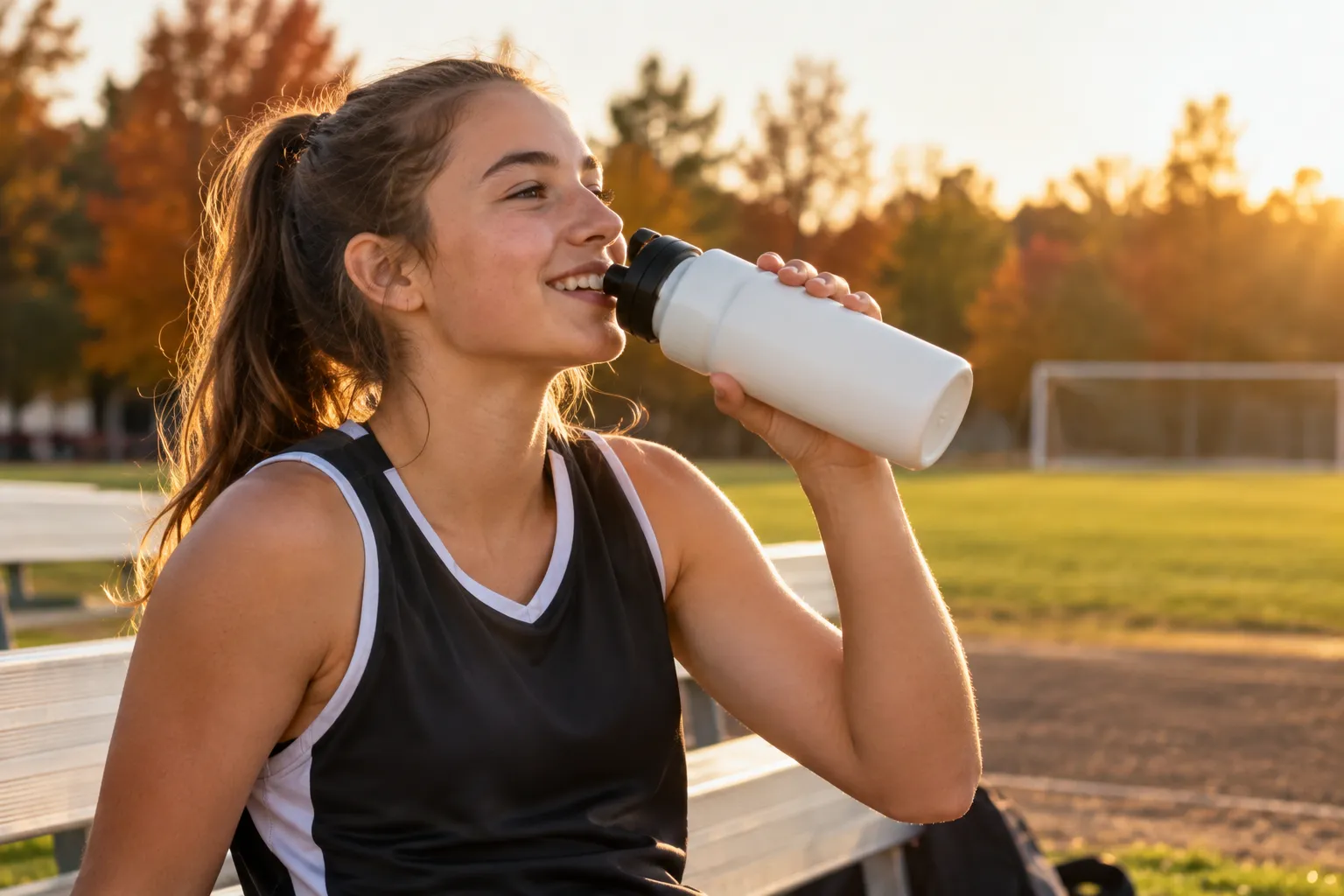
Between school, sports practice, part-time jobs, and late-night studying, many teens reach for a sports drink or energy drink to keep going. These drinks are marketed as helpful for performance and focus, but they can be surprisingly hard on teeth. If your Littleton teen has a cooler bag full of brightly colored bottles, here is what you should know.
Why These Drinks Are Tough on Teeth
Sports drinks and energy drinks often combine two things teeth do not love: sugar and acid.
- Sugar feeds the bacteria in plaque. Those bacteria produce acid that can lead to cavities.
- Acid in the drink itself, often from citric acid or carbonation, can soften and wear away enamel directly. This is called enamel erosion.
- Frequent sipping keeps teeth bathed in sugar and acid for long stretches, giving enamel little time to recover.
Even "sugar-free" versions can still be acidic, so they are not automatically tooth-friendly.
Signs of Enamel Erosion in Teens
Enamel does not grow back once it is lost, so catching erosion early matters. Watch for:
- Increased sensitivity to hot, cold, or sweet foods
- Teeth that look more yellow as thinning enamel shows the dentin beneath
- Edges of front teeth that look slightly see-through
- Small dents or cupping on chewing surfaces
- More cavities than usual at checkups
Your teen may not mention these changes, so regular dental visits are an important safety net.
Do Teens Actually Need Sports Drinks?
For most teens doing typical practices or a game, water is usually enough to stay hydrated. Sports drinks are designed for long, intense activity, often lasting more than an hour, especially in heat. If your teen's coach or doctor recommends them in specific situations, that is fine. The goal is to use them intentionally rather than as an all-day beverage.
Energy drinks are a different story. Many contain high levels of caffeine and sugar, and health organizations generally recommend that children and teens avoid them. Talking with your teen's pediatrician is a good idea if they rely on energy drinks regularly.
Simple Swaps and Smart Habits
You do not have to ban every drink to make a real difference. Try these teen-friendly strategies:
- Make water the default. A fun, reusable water bottle can help.
- Drink, do not sip. If your teen has a sports drink, finishing it in one sitting is easier on teeth than sipping for hours.
- Use a straw to reduce contact with front teeth.
- Rinse with water right after an acidic or sugary drink.
- Wait before brushing. Brushing right after an acidic drink can wear softened enamel. Waiting about 30 minutes is often recommended.
- Chew sugar-free gum to boost saliva, which helps neutralize acid.
- Keep up with fluoride toothpaste to help strengthen enamel.
Pair Smart Drinks With a Mouthguard
If your teen plays contact sports or activities with a risk of falls, protecting their teeth goes beyond what they drink. A properly fitted mouthguard can help reduce the risk of chipped or knocked-out teeth. Ask your dentist which option is right for your athlete.
How a Pediatric Dentist Supports Teens
The teen years come with new independence and new habits. Our approach to dentistry for teens treats teens with respect and gives them practical, judgment-free advice they can actually use. At checkups, we look for early signs of erosion and decay, and we can recommend fluoride treatments or sealants when appropriate to help protect vulnerable teeth.
Talking With Your Teen About It
Teens tend to respond better to information than to rules. A few ideas:
- Read drink labels together and compare sugar content.
- Frame it around things they care about, like a bright smile or avoiding fillings.
- Let them pick a few go-to alternatives, such as sparkling water without added sugar or flavored water.
- Model the habit yourself.
Hidden Sources of Sugar and Acid
Sports and energy drinks are not the only culprits. Many teens also drink sweetened coffee drinks, flavored teas, kombucha, and fruit juices, which can carry similar risks. Even flavored sparkling waters can be mildly acidic, although they are generally a much better choice than soda. Encourage your teen to check labels, enjoy these drinks with meals instead of all day, and follow up with plain water. Simple awareness often goes a long way toward healthier choices.
It also helps to think about timing. Late-night sipping right before bed is especially hard on teeth, because saliva flow drops during sleep and leaves enamel more vulnerable. Encouraging water as the last drink of the day is an easy win.
Protect Your Teen's Smile
Small changes in drinking habits can add up to a big difference for your teen's teeth over time. If it has been a while since their last checkup, now is a great time. Contact Sprout & Bloom Pediatric Dentistry to schedule your teen's visit in Littleton.